Materials, methods & variations
Everything you should know before commissioning the work.
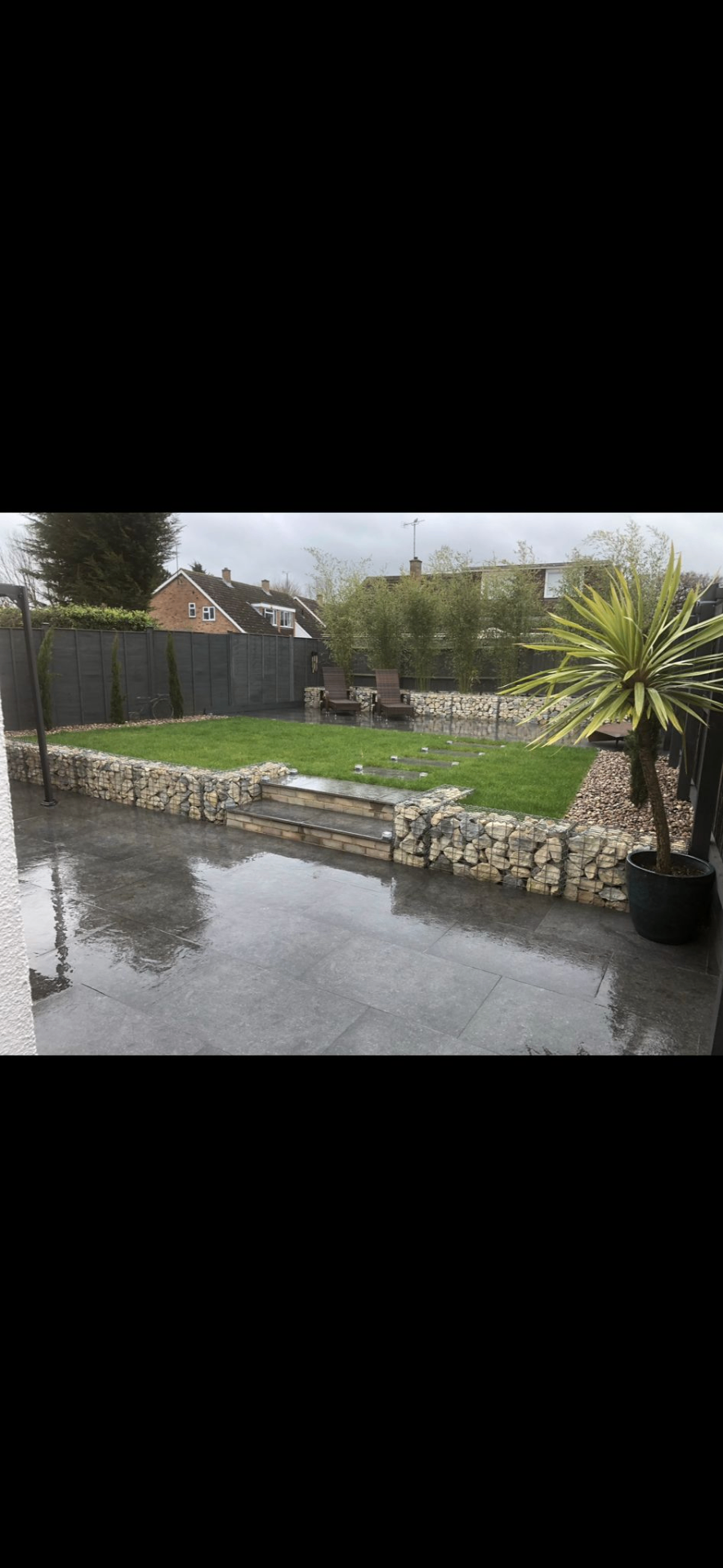
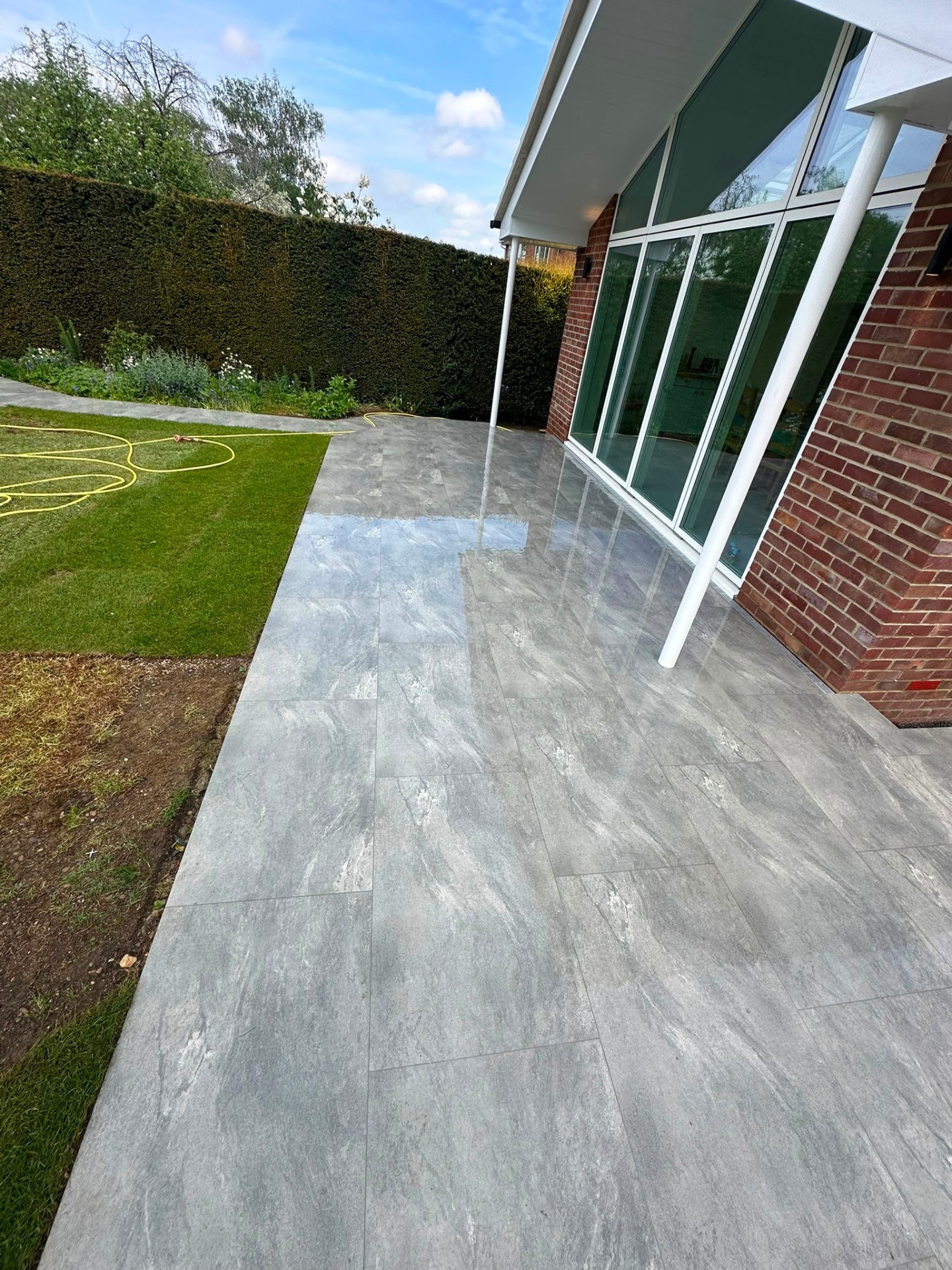
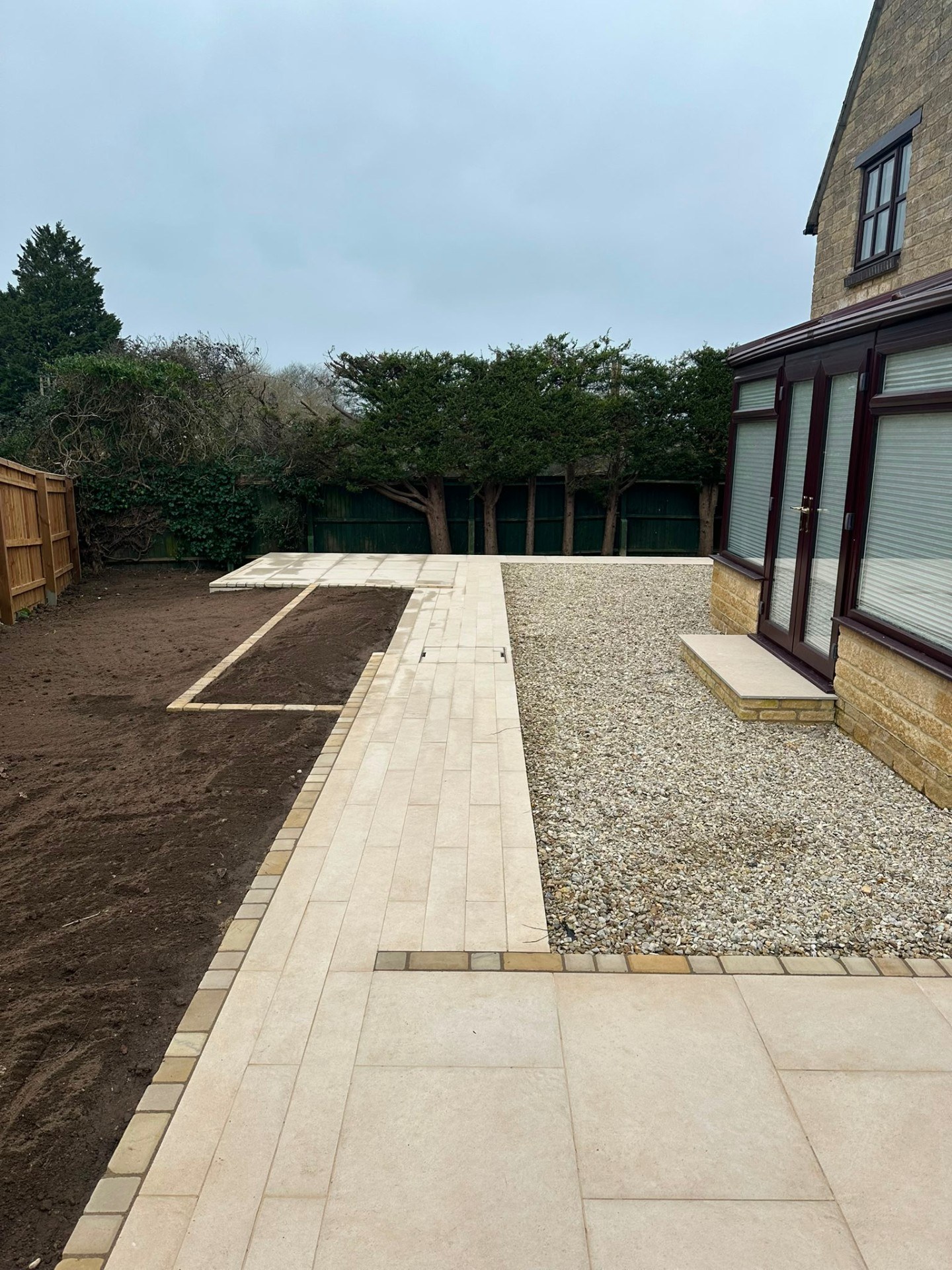
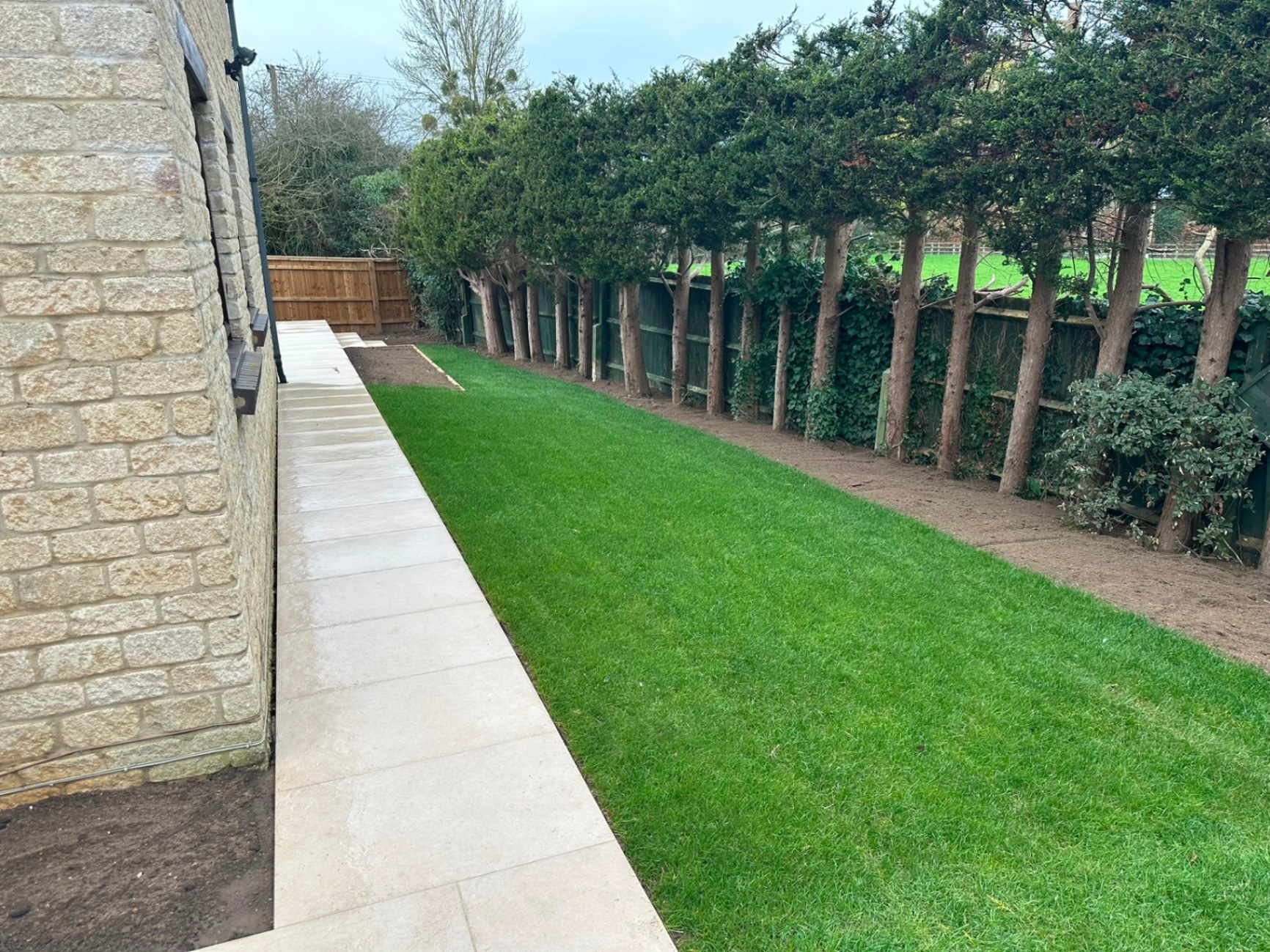
Natural stone is not a single product - it is a family of materials with very different properties, each demanding specific installation. The blocks below cover the stones we work with most often and where each is appropriate.
Cotswold limestone
Soft, breathable, porous (8–12% water absorption). Beautiful honey colour, regional authenticity, weathers gracefully. Demands lime mortar (NHL 3.5 typical) - never cement. Best for low-traffic patios, paths and conservation-area projects. Not suitable for vehicle areas.
Yorkshire stone (Yorkstone)
Hard sandstone, low porosity (1–3%), excellent frost tolerance and load-bearing capacity. Suitable for patios, paths and pedestrian commercial areas. Cement or lime mortar both acceptable depending on context. Premium price reflects quarrying limits.
Indian sandstone
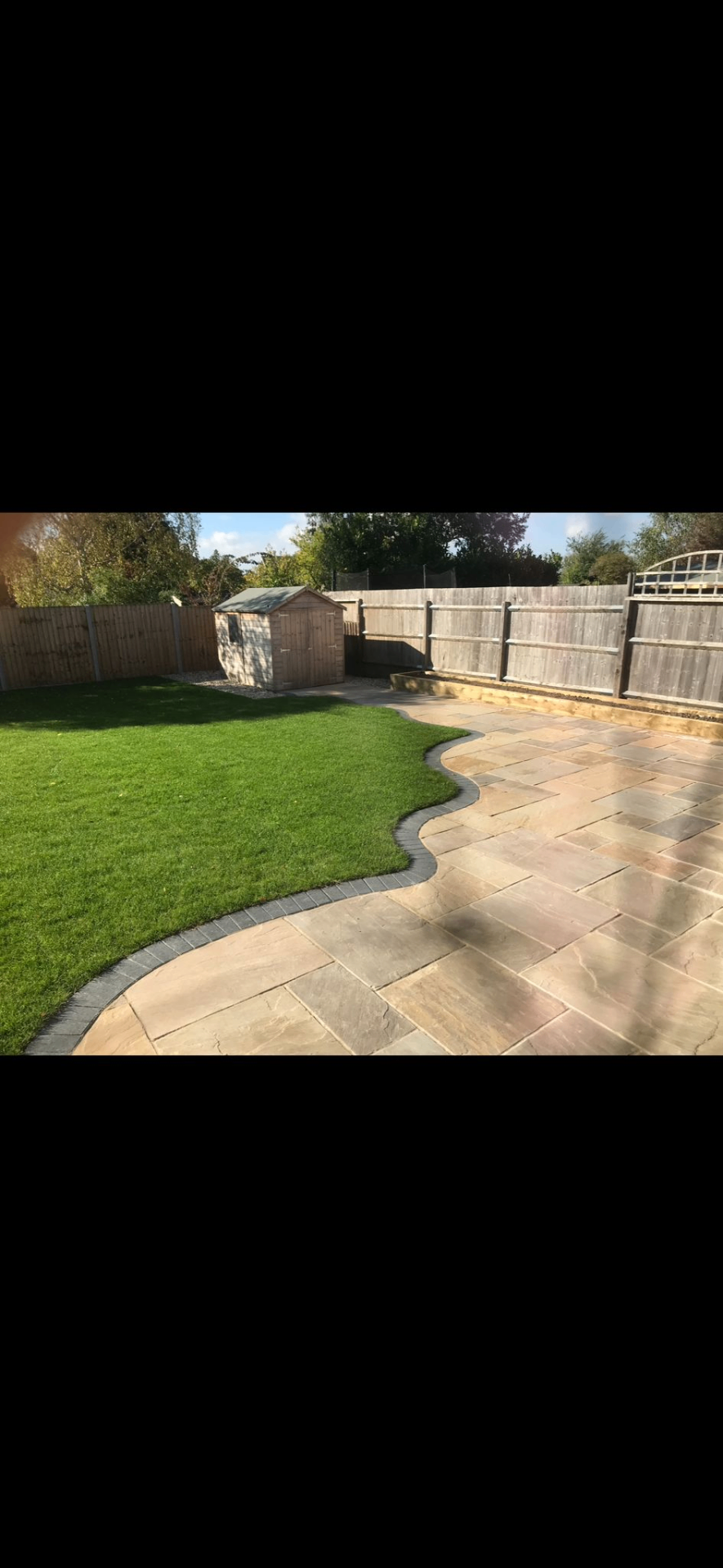
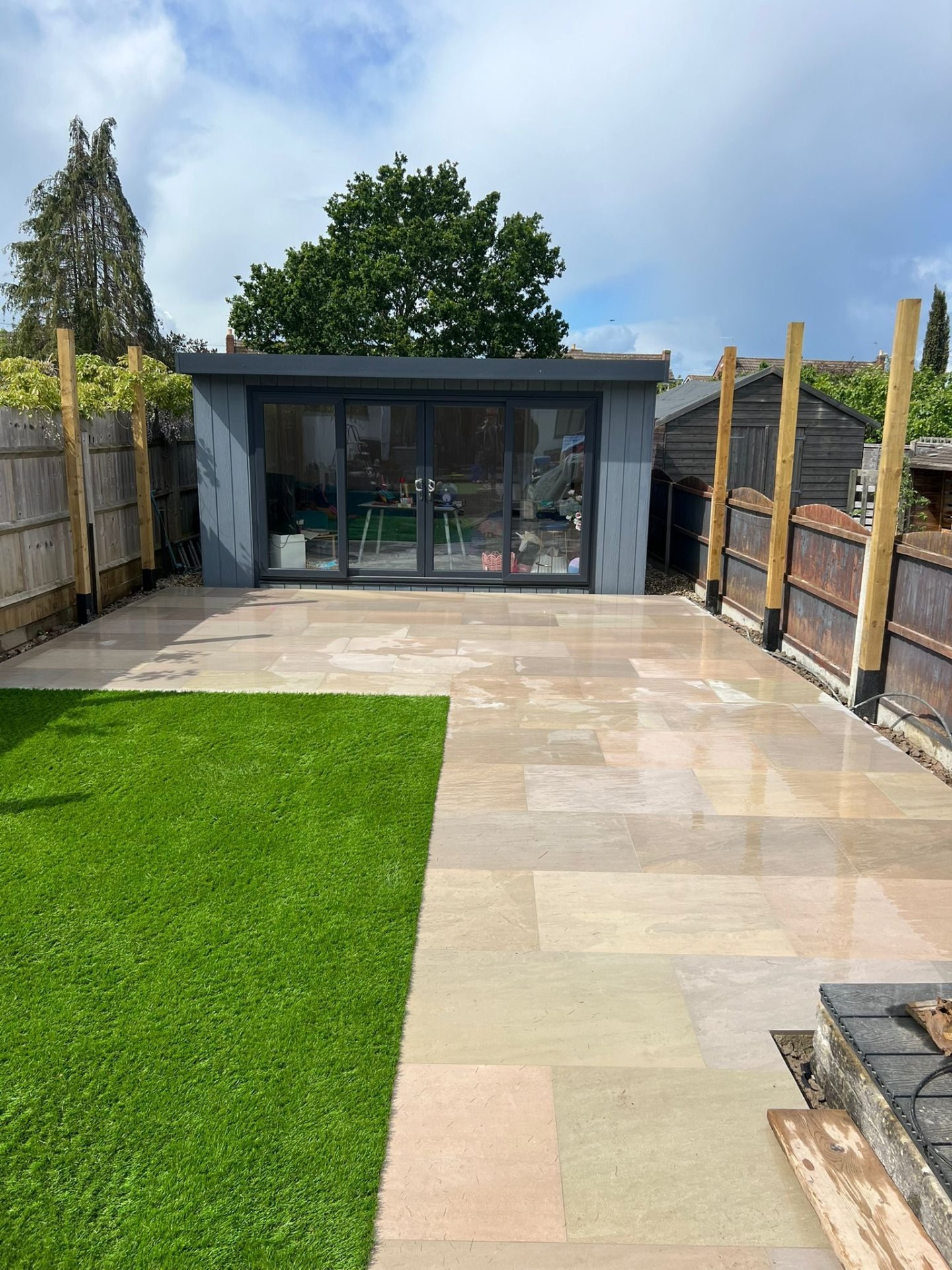
Wide tonal range (mint, kandla grey, raj green, modak), affordable, widely available in calibrated 22mm thickness. Frost-rated grades are essential - non-frost-rated 'budget' stone will fail in one winter. Compatible with cement-based mortar and resin jointing.
Granite setts and pavers
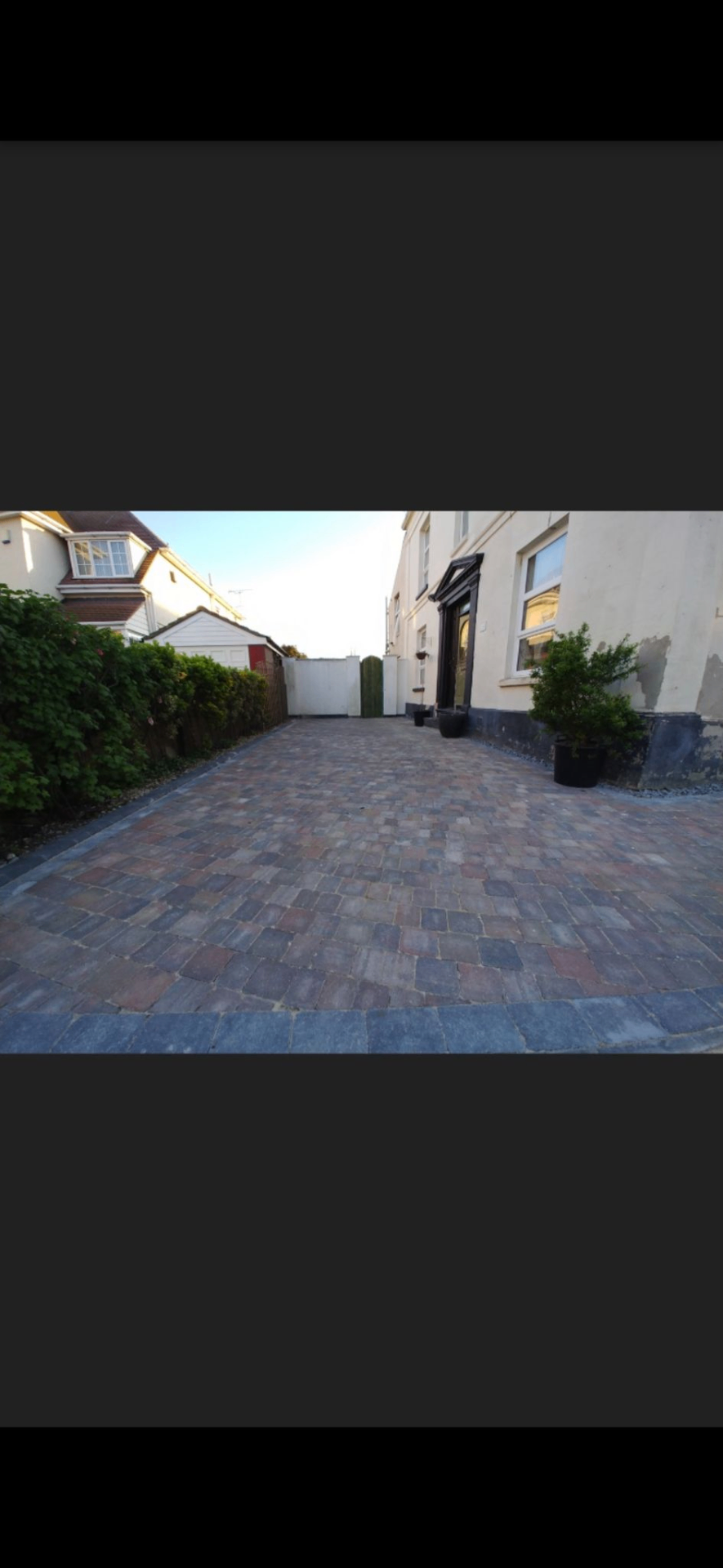
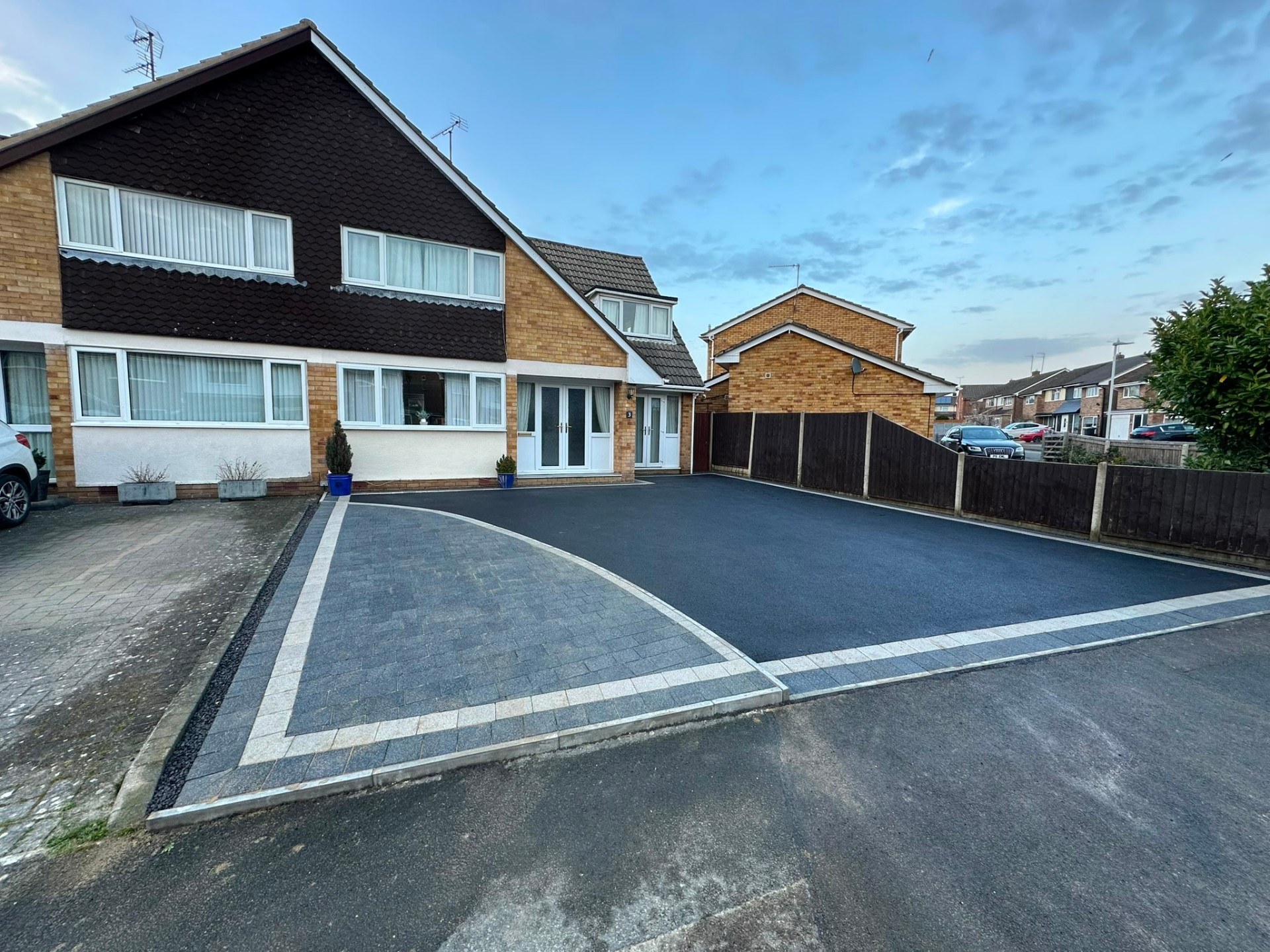
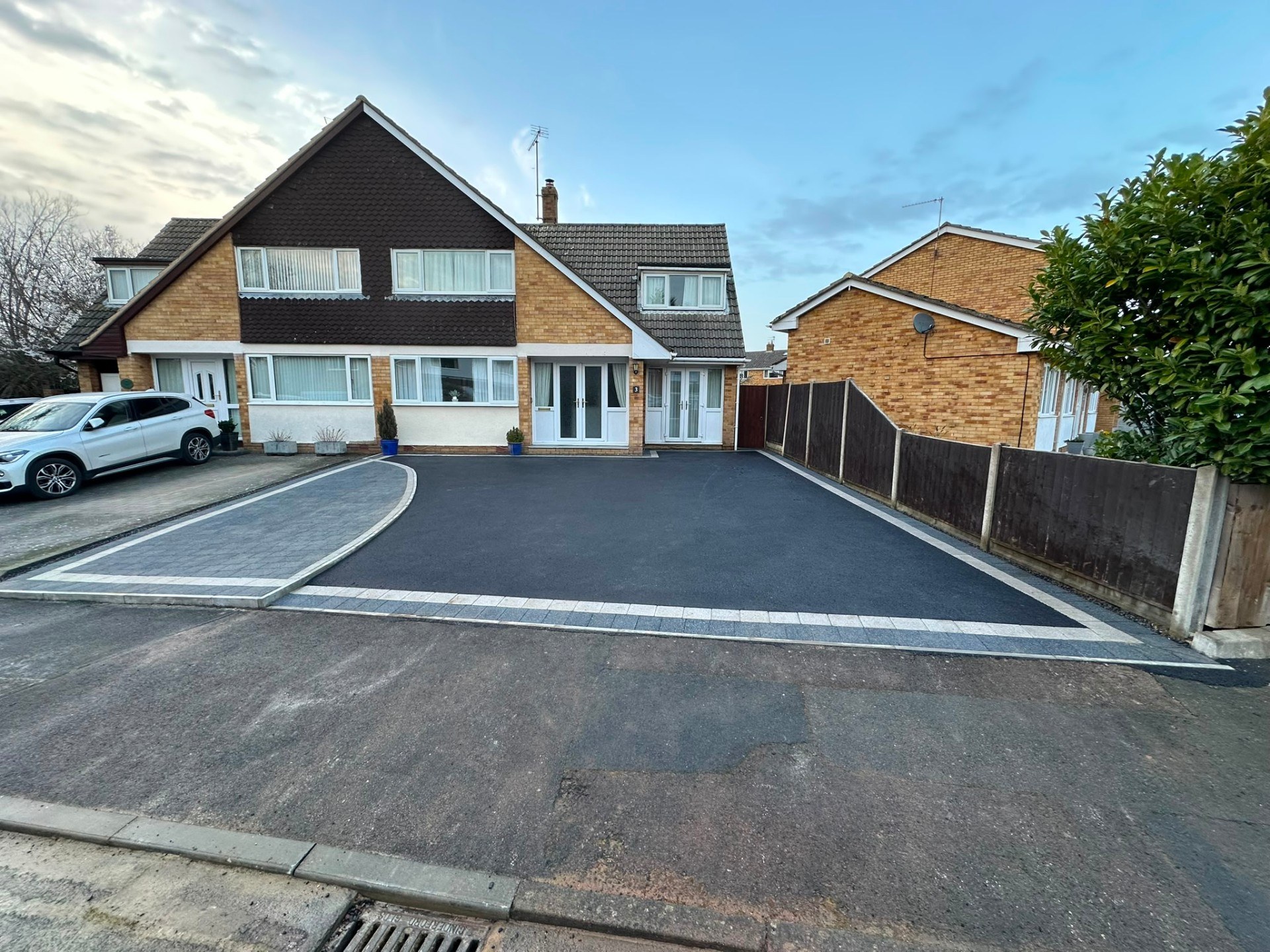
Hardest natural stone for paving (Mohs 6–7), near-zero absorption, indestructible. Used for driveway setts, drainage channels, contrast banding and high-traffic commercial. Cement-based bedding standard.
Slate paving
Riven or honed, distinctive colour (greens, purples, blue-blacks). Lower load-bearing capacity than granite; ideal for patios and paths, not driveways. Layering can delaminate if sub-base is wet - drainage critical.
Mortar chemistry by stone type
Soft, breathable stones (Cotswold limestone, soft sandstones): NHL 3.5 hydraulic lime mortar, no cement. Medium stones (Yorkstone, hard sandstone, Indian sandstone): cement-modified or lime, by spec. Hard stones (granite, slate): cement mortar acceptable. Using cement on soft stone is the single most common - and irreversible - installation error in the region.